
Can businesses proactively cultivate their next generation of leaders to ensure a dynamic journey toward future success?
Implementing a robust succession plan is of paramount importance for businesses to ensure continuity, stability, and growth. A well-crafted succession plan not only prepares a company for the unexpected departure of key leaders but also nurtures a pipeline of skilled and capable individuals ready to step into leadership roles.
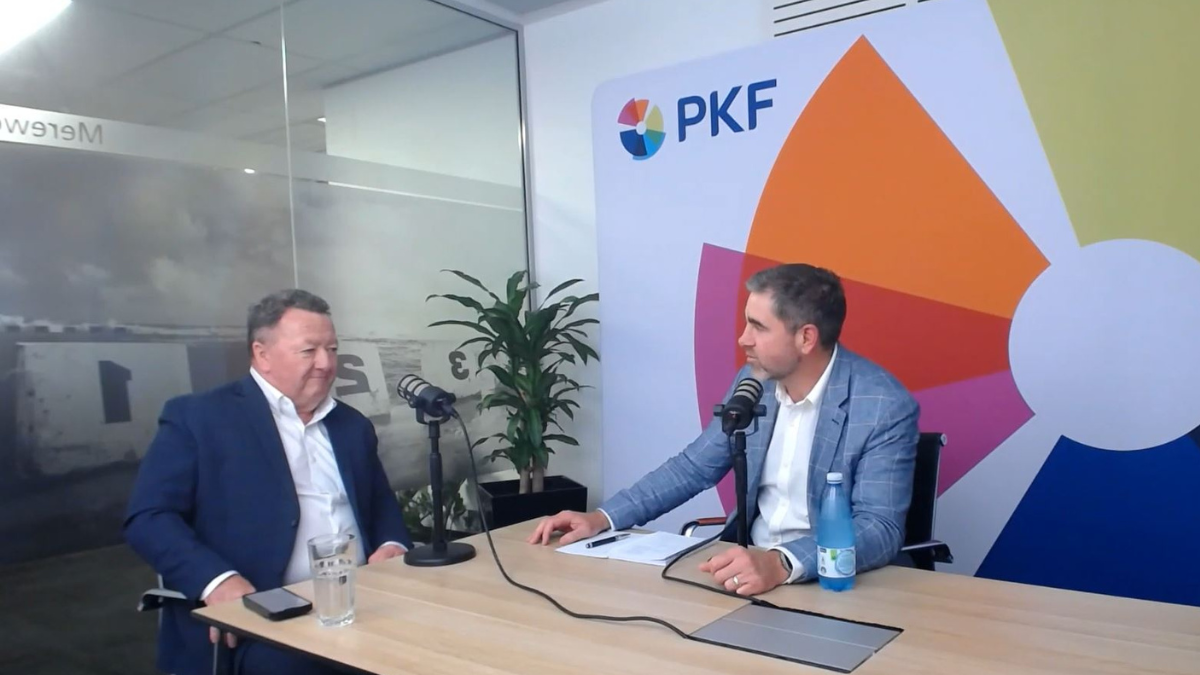
We met with Bob Bell, Managing Director of PKF Sydney and Newcastle. A professional journey spanning more than 40 years in the field of accounting, has allowed Bob to gain a rich understanding of industry. This extensive experience equipped him with exceptional skills to effectively navigate through challenges and have the capabilities to lead and guide the firm toward success.
By identifying and developing internal talent, businesses can sustain their momentum, uphold their values, and navigate challenges with agility. Ultimately, a thoughtful succession plan safeguards the future of the business, and here are some tips on how a business can implement one:
- Early identification and development: Start identifying potential successors early in their careers. Provide them with opportunities for growth, training, and mentorship to develop the skills and knowledge needed for future leadership roles. This proactive approach ensures that there’s a pool of capable candidates ready when the time comes.
- Clear criteria and objectives: Establish clear criteria for evaluating potential successors based on skills, experience, and cultural fit. Define specific objectives for each leadership position to align expectations and facilitate a smooth transition. This clarity helps in selecting the right individuals for the right roles.
- Diversity talent pool: Ensure diversity within the succession pipeline to bring in different perspectives and experiences. A diverse pool of candidates can enrich decision-making and adaptability, contributing to a more resilient leadership team.
- Continuous assessment: Regularly assess the progress and readiness of potential successors. Provide feedback, offer opportunities for stretch assessments, and address skill gaps. This ongoing evaluation enables tailored development plans that align with the business’s evolving needs.
- Communication and transparency: Maintain open communication with both current leaders and potential successors. Clearly communicate the purpose and benefits of the succession plan, and involve relevant stakeholders in the process. Transparency fosters trust, reduces uncertainty, and allows for a smoother transition when the time comes.