
Is continuous learning the key driver for sustainable business growth?
In the dynamic landscape of business, learning stands as the cornerstone for continuous growth. It is the heartbeat that propels innovation, adaption, and progress within an organisation. Embracing new technologies, market trends, and customer demands requires a culture of ongoing learning. Whether its upskilling employees, staying ahead of industry advancements, or refining strategies based on past experiences, a commitment to learning fosters resilience and agility.
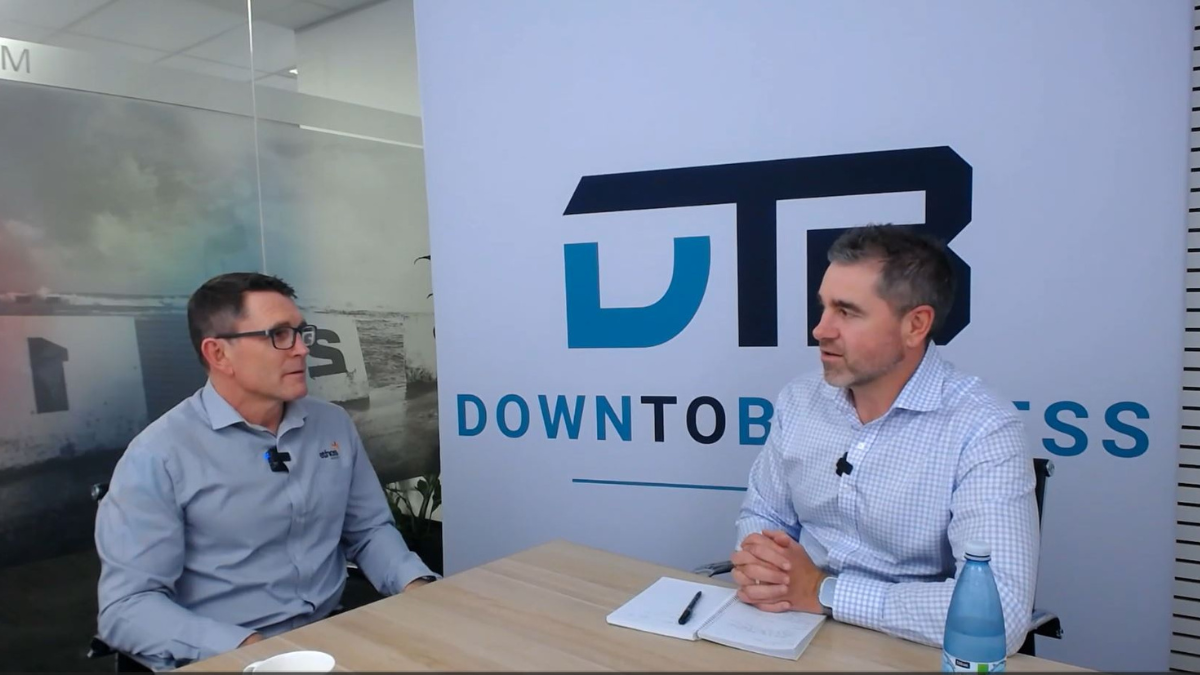
We met with Trent Watson, CEO of Ethos Health. Ethos Health was established to ensure solutions are created to optimise the health and safety of people and organisations, with the vision to be recognised for transformational change in health and safety.
The capacity to absorb new knowledge and apply it strategically is a driving force behind sustained success in the business world. Here are five tips to ensure continuous growth is achieved through learning and development:
- Embrace a culture of learning: Foster an environment where continuous learning is encouraged and valued. This can involve setting up mentorship programs, providing resources for further education, and creating platforms for knowledge sharing among employees.
- Set clear development goals: Define specific learning objectives aligned with business goals. Establish clear milestones and metrics to measure the impact of learning initiatives. This could include skill development, certifications, or implementing new strategies based on acquired knowledge.
- Invest in diverse learning methods: Offer various learning opportunities such as workshops, online courses, seminars, and hands-on experiences. Difference employees might have different learning preferences, so a diverse range of options can cater to varying learning styles.
- Encourage feedback and reflection: Create a feedback loop where employees can reflect on what they’ve learned and how it applies to their roles. Encourage open discussions, feedback sessions, and self-assessment to ensure that learning is being effectively integrated into the business.
- Support continuous improvement: Learning doesn’t stop after a course or workshop. Encourage a mindset of continuous improvement by regularly revisiting and updating knowledge. Provide opportunities for ongoing skill development and adaptability to ensure that learning is an ongoing, ever-evolving process within the business.